تالیف دکتر احسان یارشاطر
منتشرشده در ایرانیکا 13 - زبان ها و متونی از ایران و توران -
مجموعه مقالات یادنامه رونالد ای. امریک
2007
صفحه 443 تا 461
برای دریافت مقاله PDF را کلیک کنید
نشریه «پیشگامان تربیت» از سال ۱۴۰۴ توسط مؤسسه فرهنگی هنری پژوهشی علم فرهنگ تاک و به زبان فارسی، بهصورت فصلنامه الکترونیکی با دسترسی آزاد منتشر میشود. مقالات با روش داوری همتا دوسو ناشناس بررسی شده و از نرمافزار تشخیص سرقت ادبی استفاده میشود.
هزینه بررسی و انتشار: ۳,۰۰۰,۰۰۰ ریال سیاست انتشار: CC-BY
مقاله گویش های تاتی طارم
تالیف دکتر احسان یارشاطر
منتشرشده در مجموعه مقالات یادنامه دبلیو. بی. هنینگ
1970
صفحه 451 تا 467
برای دریافت مقاله PDF را کلیک کنید
منبع:
منبع
http://bamling-research.de/content/2013-icil5_main.html
article accepted about Tati language:
Different Alignment Systems in Tâti Dialects of Eshtehârdi, Tâkestâni and Dəravi
Raheleh IzadiFar- oral presentation
منبع:
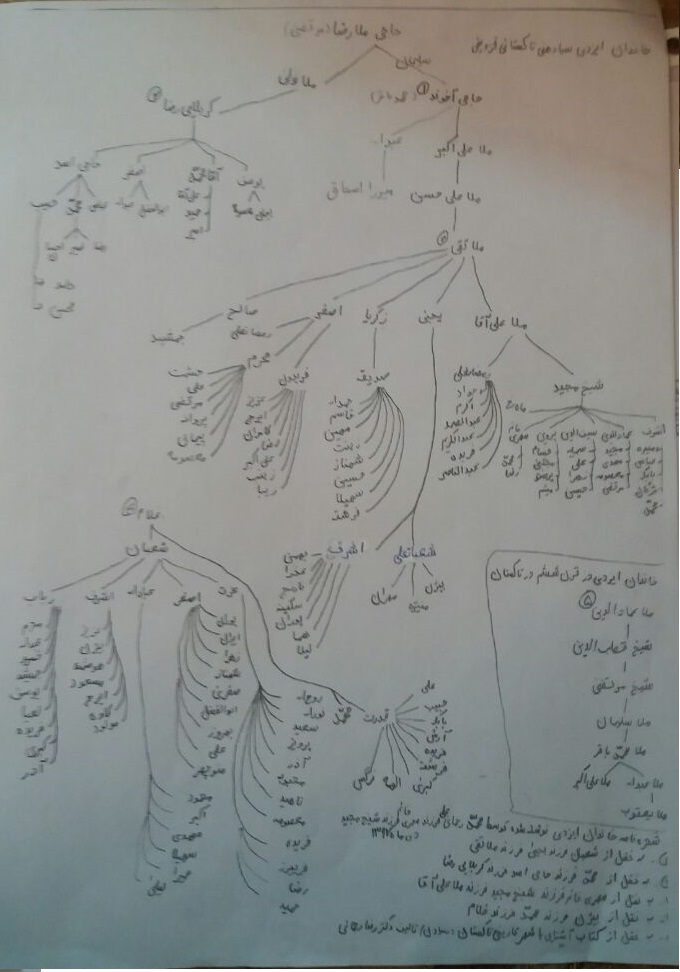
شجره ملا علی اکبر ایزدی سیادهنی
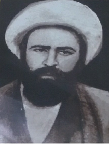
علامه ملا علی اکبر ایزدی سیادهنی
فقیه عالی قدر، محقق فرزانه حضرت آیت الله العظمی حاج ملا علی اکبر ایزدی سیادهنی(ره) متولد 1265 قمری از علمای خانواده ایزدی سیادهنی و استاد در فقه و اصول بوده و علامه سید موسی زرآبادی از علمای ربانی و نمونۀ کامل یک تربیت یافته برجستۀ از شاگردان ایشان بوده است که تالیفات زیادی داشته که یکی از آن ها «تقریرات بحث علامه حاج ملا علی اکبر ایزدی سیادهنی» است. از این عالم برجسته دو تصنیف در فقه و اصول برجای مانده است. وی یکی از نامی ترین علمای معاصر منطقه و دارای علم و فضل و تقوی و پرهیزگاری و نفوذ معنوی بسیار بود. ایشان فرزند ملا باقر فرزند ملا سلیمان فرزند شیخ مرتضی فرزند شیخ قطب الدین از فرزندان ملا عمادالدین (قرن ششم) بوده است. پدر وی ملامحمدباقر از علمای منطقه بوده است.
ملا علی اکبر سیادهنی(ره) بعد از سپری کردن دوران کودکی در محضر آیت الله آخوند ملا علی النقی خیارجی(ره) یک دوره سطح و یک دوره مخارج را به پایان آورد و در همان دوران به مرتبۀ اجتهاد رسیده بود. مع ذالک برای ادامۀ تحصیلات به تهران رفت و چند سالی به خواندن علوم مختلف پرداخت آن گاه روانۀ عتبات گردید و چندی از محضر میرزای بزرگ استفاده کرد و چون سرگرمی میرزای فقیه طوری بود که برای محصلین بهره مند نمی شد. لهذا به نجف اشرف رفت و نزدیک به ده سال در حوزۀ درس آیت الله حاج میرزا حبیب الله رشتی و شیخ محمد کاظمینی و شیخ لطف الله مازندرانی به کسب فضایل و اکمال معلومات پرداخت و به دریافت پروانۀ اجتهاد نائل گردید و ضمنا حوزۀ درسی نیز داشت و سطح را تدریس می فرمود. در مصدر قضاوت جلوس داشت و در رفع مرافات چنان بی نظیری و دقت نشان می داد که مورد توجه عامه قرار گرفته بود. در خاطرات عارف قزوینی نیز تام این مرد بزرگ دیده می شود. در رفع حوایج مردم می کوشید و امور شرعی آن ها را مرتب می کرد. در جای دیگر وی به عنوان مردی مبارز در تاریخ منطقه معرفی شده است. عین السلطنه در این باره می نویسد:« در عمارت چهل ستون قزوین شب ها تقلید ملا ها را بیرون می آوردند. ملا علی اکبر سیادهنی از اجلۀ علمای قزوین با بیش تر آقایان و طلاب به مسجد شاه رفته تلگراف به علمای نجف اشرف کردند آن جا طهران و اکیدا موقوف کردند عزیزالله خان به جای خود است و مشغول هرزگی است» ایشان در سال 1319 قمری به زیارت خانۀ خدا مشرف شدند. وی با کمال عزت هفتاد و شش سال دوران زندگی را گذراندند و در روز سیزدهم فروردین 1300 شمسی مطابق با 1340 قمری عالَم فانی را بدرود گفته و دعوت حق را لبیک اجابت گفت.
منبع: کتاب تاکستان شهری به قدمت تاریخ اثر دکتر رضا رحمانی سال1390 چاپ دانشگاه آزاد اسلامی
شاگردان:
علامه سید موسی زرآبادی
علامه رفیعی قزوینی
آیتالله شیخ محمدابراهیم محقق
ق
زوینی
Max Planck Institute for Evolutionary Anthropology
Email: stilo
eva.mpg.de
a. "Original" Tati
b. aberrant forms and outliers
Note: The term Tatic as used here is not to be confused with a totally different language group spoken in the Republic of Azerbaijan and Daghestan. I have labelled the latter group "Caucasian Tat" in my work and since this language belongs to SWI, it touches only marginally on the present project.
In the Tafresh area there are four languages whose interrelationships or further affiliations to other groups of NWI have never been defined:
گونه تاتی درو
روستای درو روستایی است که در استان اردبیل، شهرستان خلخال، بخش شاهرود، قرار دارد. زبان این مردم، تاتی از زبانهای ایرانی شمال غربی است.
این روستا در بین مردم محل و نیز تات زبان های اطراف، به درَو (dərav) معروف است و در بین مردم ترک زبان و نیز در محاورات اداری خلخال، دُرُو (doro) تلفظ می شود. این روستا که در طول جغرافیایی ْ70/48 شمالی و عرض جغرافیایی ْ42/37 شرقی قرار گرفته، بعد از روستای اسبو، و قبل از کلور (مرکز بخش شاهرود) واقع شده است. این روستا از سمت شرق به کوه و بند تالش (ییلاقات شاندرمن و رضوان شهر) و از غرب از طریق کوه به روستاهای لرد و میانرودان متصل است.
جمعیت درو طبق سرشماری سال 1385 مرکز آمار ایران درو 202 خانوار، 576 پانصد و هفتاد و شش نفر سکنه و 195 واحد مسکونی اعلام شده است.
منابع در مورد تاتی درو:
| 00090211.jpg 594.6 KB | ||
| 00090212.jpg | 717.2 KB | |
| 00090213.jpg | 503.6 KB | |
| 00090214.jpg | 527.3 KB | |
| 00090215.jpg | 451.6 KB | |
| 00090216.jpg | 668.9 KB | |
| 00090217.jpg | 490.0 KB | |
| 00090218.jpg | 608.5 KB | |
| 00090219.jpg | 491.7 KB | |
| 00090220.jpg | 664.3 KB | |
| 00090221.jpg | 497.2 KB | |
| 00090222.jpg | 542.6 KB | |
| 00090223.jpg | 486.8 KB | |
| 00090224.jpg | 588.8 KB | |
| 00090225.jpg | 522.7 KB | |
| 00090226.jpg | 615.4 KB | |
| 00090227.jpg | 497.3 KB | |
| 00090228.jpg | 679.4 KB | |
| 00090229.jpg | 526.6 KB | |
| 00090230.jpg | 701.6 KB | |
| 00090231.jpg | 423.4 KB | |
| 00090232.jpg | 643.6 KB | |
| 00090233.jpg | 457.1 KB | |
| 00090234.jpg | 678.8 KB | |
| 00090235.jpg | 493.9 KB | |
| 00090236.jpg | 587.7 KB | |
| 00090237.jpg | 498.7 KB | |
| 00090238.jpg | 702.1 KB | |
| 00090239.jpg | 618.3 KB | |
| 00090240.jpg | 543.2 KB | |
| 00090241.jpg | 546.8 KB | |
| 00090242.jpg | 623.2 KB | |
| 00090243.jpg | 518.7 KB |
گویش وفسی - متعلق به زیرگروه Tatic از خانواده زبان های ایرانی شاخه شمال غریی (مولف : دکتر دونالد استیلو )
منبع: http://misc.ilexfoundation.org/public/vafsi.html
Vafsi and Gurchani
Vafsi is a Northwest Iranian language. This group consists of 7 subgroups – Tatic, Kurdish, Gurani, Zazaki/Dimli, Caspian (Gilaki and Mazanderani), Central Plateau, Baluchi) – and include a multiplicity of languages, all of which have a probable time depth of ±2800 years separation from Southwest Iranian (which includes Persian), even though both branches are in the Iranian language family. Vafsi belongs to the Tatic subgroup and is spoken in four villages in west central Iran, located between Hamadan, Saveh, and Arak, almost equidistant from these three cities. The names of the four villages are Vafs, Chehreqan, Gurchan, and Fark, and the language has an estimated total of some 20,000 speakers, many of whom now reside outside of Vafs, primarily in Tehran.
To convey just a flavor of the uniqueness of Vafsi, here is one simple sentence using only very basic words. The differences should be obvious even to someone who does not understand Persian:

A new work on Iranian languages, linguistics, and folklore, entitled Vafsi Folk Tales, by Dr. Donald L. Stilo, presently at the Max Planck Institute for Evolutionary Anthropology, is forthcoming from Reichert Verlag, Wiesbaden. The volume was edited and provided with additional annotations on the folklore by Professor Ulrich Marzolph of the Enzyklopädie des Märchens of the Akademie der Wissenschaften zu Göttingen. With generous financial support from the ILEX Foundation, it is now possible to prepare a digitally remastered audio compact disc to accompany this collection of Vafsi tales.
The volume consists of 24 folk tales collected in Iran in August 1958 by the eminent British scholar, Laurence Elwell-Sutton, on a reel-to-reel tape recorder. The tales were narrated on these tapes by two speakers of the Gurchani dialect of Vafsi, Ghazanfar Mahmudi and Mashdi Mahdi, who were then respectively 16 and about 60 years old. The two speakers were from the village of Gurchan, some 89 kilometers north of Arak. The actual recording covers approximately 4 hours of spoken Vafsi, about equally divided between Mahmudi and Mahdi, for a total of some 15,000 words.
The research for and preparation of this volume was funded by the Deutsche Forschungsgemeinschaft through a grant awarded to Professor Marzolph at the Enzyklopädie des Märchens. Dr. Stilo, who had conducted five years of linguistic fieldwork in Iran on Vafsi, extended over a period from 1963 to 1976, joined the project in 1997. Stilo’s task was to use the recordings and Professor L. P. Elwell-Sutton’s notes to transcribe and translate the Vafsi tales and then to write a grammar of the language.
A History of the Vafsi Project
After the death of Professor Elwell-Sutton in 1984, his rich collection of materials tape-recorded in Iran over the years was entrusted to Professor Marzolph through the generosity of his widow, Mrs. Alison Elwell-Sutton. This large collection of invaluable folkloric and linguistic material consists predominately of folk tales narrated in Persian, but also includes 24 tales in Vafsi as well as the notebook containing Elwell-Sutton’s diligent efforts at transcribing these tales. Because of the complexity of Vafsi grammar and since he was not familiar with the language, I assume Elwell-Sutton never felt the tales were completely intelligible or that they were transcribed accurately enough to be publishable. As a result, they were left as an unpublished draft at the time of his death
Methodology and Procedures
The Vafsi Folk Tales Project was conducted in Göttingen from 1997 to 2000. First, Elwell-Sutton’s handwritten transcriptions were gradually converted to word-processing documents on a computer directly from his notes. The next stage consisted of comparing these transcriptions with the actual recorded material, through untold replays of the tapes, in order to make the necessary corrections and refinements from the often rapid narrations of the two speakers. After Stilo had reworked the tales to about 95% accuracy, it became clear that the last 5% would have to be corrected and completed with the help of native speakers of Vafsi.
The next step was to invite a native speaker from the village of Vafs to assist Stilo with the Elwell-Sutton folk tales. This stage of the work was conducted in early June, 2000, and consisted of two sessions of about three and a half days each. While there are still some problem points in the Vafsi narrations that even a native speaker could not figure out, the transcriptions and translations are now ready to go to press and the finalized volume will be published with the compact disc of the audio recordings of the texts to accompany the volume.
These folk tales in Vafsi will be valuable both for their folkloric as well as their linguistic content. The aim was to attain a translation that would remain as close as possible to the Vafsi words and structures in order to make the texts available to linguists and Iranists interested in linguistic issues and still allow those interested in the folkloric issues adequate access to the structure and typology of the tale, the goal or moral of the tale, or attitudes towards different issues addressed in the tales.
The present volume of Vafsi folk tales is the first of two projected volumes on this language. Future publication will include next A Grammar of Vafsi, a comprehensive grammatical description of Vafsi, the draft version of which is now completed and is approximately 900 pages in length. The Grammar is based primarily on the dialect of Vafs and secondarily on that of Gurchan. The difference in precedence given to the two dialects stems from a much deeper and broader familiarity with the former dialect based on five years of direct fieldwork I conducted with various native speakers from the village of Vafs. No direct access to native speakers of Gurchani was available to me and materials on this dialect are restricted exclusively to the four hours of recorded materials described above. I am looking forward to seeing the Grammar through press by 2004.
Donald L. Stilo
.
نام این منطقه را به صورتهای گوناگون تلفظ کردهاند: وفس Vafs، وبس Vabs، وَوس Waus، وُوس Waūs. جمعیت فعلی این روستا، طبق آخرین سرشماری در حدود ۲۰۰۰ نفر میباشد.
منبع مقاله انگلیسی: [Fatemeh Moosavi mirak, Nasrin Safavizadeh. Noun Phrases in Vafs Dialect. Life Sci J 2012;9(4):1698-1703]- ISSN:1097-8135). http://www.lifesciencesite.com. 260
برای دریافت مقاله کامل می توانید به سایت http://www.lifesciencesite.com مراجعه کرده و در شماره Life Science Journal 2012;9(4) مقاله را دانلود کنید و یا از طریق ایمیل با مدیر وبلاگ تماس بگیرید.
Noun Phrases in Vafs Dialect
Fatemeh Moosavi mirak(1), Nasrin Safavizadeh(2)
1. Member of Scientific Board, Faculty of Social Sciences, Islamic Azad University, Arak Branch
2. Member of Scientific Board, Faculty of Social Sciences, Islamic Azad University, Arak Branch
f-moosavi@iau-arak.ac.ir
Abstract: The dialect of Vafs is one of the dialects on the northwest of Iran. Rich, original vocabulary, idioms,phones, verbs and grammar of this dialect characterize this dialect as one of the ring of the chain connecting medial Persian to modern Persian. This paper tries to study the structures and the forms of the "nouns" of this dialect, and to compare some of its words with their counterparts in ancient and modern languages of Iran.
Key words: Vafs, dialect, language, Noun Phrases, Iranian Languages.
THE TATI DIALECT OF KAJAL By E. Yarshater
کجل از روستاهای اطراف شهرستان خلخال است.
زبان مردم این روستا از گویشهای تاتی است.
منابع دیگر در مورد گونه تاتی کجل:
بررسی واجشناسی گویش تاتی دهکده کجل (خلخال) براساس روشهای نوین زبانشناسی/ماری آرادگلی/استاد راهنما:دکترسیف الله نجم آبادی/(پایان نامه کارشناسی ارشد دانشگاه تهران، ۱۳۴۹)
اطلاعات کتابشناسی مقاله دکتر یارشاطر:
Yar-Shater, Ehsan (1960). "The Tati Dialect of Kajal", BSOAS, 23, Pp. 275- 286.
شاهرود خلخال یکی از بخشهای تابعه شهرستان خلخال در استان استان اردبیلایران است[۱]. مرکز آن شهر کلور است. زبان مردم ا ین بخش زبان تاتی یکی از زبانهای ایرانی شمال غربی است. بنابر سرشماری مرکز آمار ایران، جمعیت بخش شاهرود شهرستان خلخال در سال ۱۳۸۵ برابر با ۱۴۱۶۲ نفر بودهاست.
تحول مضارع اخباری به مضارع مستمر
در گویشهای ایرانی شمال غربی
مقاله ارائه شده در نخستین همایش بین المللی زبانها و گویشهای ایرانی (گذشته و حال)
تهران -خرداد 1391
مرکز دائره المعارف بزرگ اسلامی (مرکز پژوهشهای ایرانی و اسلامی)
نویسندگان: دکتر جهاندوست سبزعلیپور
عضو هیأت علمی دانشگاه آزاد اسلامی واحد رشت
راحله ایزدی فر
چکیده:
گویشهای ایرانی نوِ شاخۀ شمال غربی یک شاخه از زبانهای ایرانی است که در نواحی مختلفی از شمال غرب ایران رواج داشته و دارد. از زبانها یا گویش های معروف این شاخه میتوان تاتی، تالشی، گیلکی، هرزنی و... را نام برد.
کلیدواژهها:
گویشهای ایرانی نو شمال غربی، تحول زبان، تاتی، تالشی، گیلکی، هرزنی، مضارع مستمر، مضارع اخباری.
هر یک از این زبانها خود دارای گونه های متنوعی هستند که به درستی توصیف نشدهاند و اغلب ویژگیهای زبانی آنها مخفی مانده است، در حالیکه تعدادی از آنها در حال نابودی است. یکی از ویژگیهای زبانی این دسته وجود مضارع مستمر است که در اغلب آنها کاربرد دارد و امروزه به تدریج جایگزین مضارع اخباری میگردد. در گویشهای مورد بررسی، همانند زبان فارسی از فعلی کمکی یا معین جهت ساخت فعل استفاده نمیشود، بلکه گاه از شکل مصدری فعل اصلی و گاه از شکل صرف شده فعل استفاده میشود. وندهای kərâ ( و گونه های kâri, kâ, kəra)، -ar- (و نیز گونۀ -ard-) و -in- (و گونه های -en-, -ina-) از وندهایی هستند که در ساخت مضارع مستمر تاتی، تالشی، گیلکی و هرزنی نقش دارند. ساخت اصلی مضارع اخباریِ اغلب این گویشها همان است که از مادۀ مضارع به اضافۀ شناسه به دست میآید، اما امروزه کمتر برای بیان مضارع یا حال به کار میرود، و گویندگان این زبانها ترجیح میدهند برای بیان آینده از آن استفاده کنند.در این مقاله از زبانهای شاخۀ شمال غربی تاتیِ خلخالی (گونه های لردی، کَجَلی و کرینی)؛ تالشی (گونه های پَرَه سری، سیاهمزگی، عَنبرانی)؛ هرزنی؛ تاتی کلاسوری؛ و گیلکی (گونۀ رشتی) انتخاب شده اند. داده های زبانی این تحقیق اغلب به شکل میدانی جمع آوری شده است.
هدف از این مقاله بررسی ساخت مضارع مستمر و شباهتها و تفاوتهای آن در زبانهای مذکور و نیز تحول این ساخت به مضارع اخباری است تا مشخص گردد چگونه ساخت مضارع اخباریِ ظاهراً کهن و اصیل امروزه دیگر برای بیان افعال زمان حال به کار نمی رود و در حال کنار رفتن به نفع مضارع مستمر؛ و خود در حال تبدیل شدن به یک ساخت آینده است.
مقاله ارائه شده در نخستین همایش بین المللی زبانها و گویشهای ایرانی (گذشته و حال)
تهران -خرداد 1391
مرکز دائره المعارف بزرگ اسلامی (مرکز پژوهشهای ایرانی و اسلامی)
چکیده:
تاتی کرینگان از شاخۀ شمالی گویشهای تاتی یا آذری است که در روستای کرینگان در شمال
غربی شهرستان اهر رواج دارد. گویشهای تاتی یا آذری خود یکی از شاخه های مهم گویشهای
شمال غربی ایران
هستند که به صورت پراکنده در میان اکثریت ترك زبان شمال غرب ایران تکلم می شوند. در این مقاله
واجشناسی تاریخی گویش تاتی کرینگان یعنی روند تحول واجهای این گویش از ایرانی باستان و دورة میانۀ
این گویش بررسی می شود. برای درك میزان همانندی این گویش با دیگر گویشهای تاتی تحولات انجام
گرفته با دیگر گویشهای تاتی و برخی از گویشهای شمال غربی نیز مقایسه شده است. واژه های این گویش
برگرفته از دو واژه نامه ای است که حدود نیم قرن پیش از این گویش فراهم شده است.
کلیدواژه ها: تاتی، آذری، کرینگان، گویشهای شمال غربی، واجشناسی تاریخی
اِشتِهارد یکی از شهرهای استان البرز در ایران است. این شهر مرکز شهرستان اشتهارد است. جمعیت: 16988 نفر
زبان گفتاری : تاتی ، فارسی
اشتهارد شهری است خشک و کویری در ۱۰۰ کیلومتری تهران و ۶۳ کیلومتری کرج.
در اطراف اشتهارد مناطق و دهستانهایی بنامهای مرادتپه(دارای ۲ تپه باستانی به نامهای پیله تپه و خوردیکه تپه)، صحت آباد، جعفرآباد، قزل حصار، رحمانیه، مهدی آباد، فرد آباد، مختارآباد، عبدالله آباد، کوشک آوا، مروت آوا، اوپشته، گنگ، جارو، نکوجار، قرقرک (محل دفن فریدون فروغی) و بوجعفر، ایپک و... مجموعاً به تعداد ۲۲ روستا وجود دارد.
the easternmost of the nine Southern Tati (Tātī) dialects and sharing with the others most phonological, morphological, syntactic, and lexical features. These are part of a band of dialects extending from the Aras River to central Persia and farther east.
From diachronic changes, morphological and lexical inventories, and morphosyntax it is clear that Eštehārdī is a typical “northwestern,” that is, not a Perside, dialect (see Windfuhr, 1975; idem, 1989). Among “typical” phonological changes (most indicated here in the sequence pre-Indo-Ir. > Ir. > Middle Ir. > Eštehārdī) are palatal *řk/*řg > ts/dz > s/z, as in wīsata- > vist “twenty,” zān- > zun- > “to know”; palatized *k’ > g’ > j, as in taj- “to run”; later, initial *w/*yunchanged, as in waina- > vin- “to see,” yawa- > yöw “barley”; initial *dw > b, as in dwar- > bar “door”; *tr/*pr > θr/fr > hr > r, as in puθra- > fur- “son, boy,” frōš- > ruš- “to sell”; *kt/*pt > xt/ft > (h)t> t, as in, dōxt- > dut “sewed,” kaft- > kat- “fell”; recent u > i, as in amrōd- > omberia “pear.” Some features of the lexical inventory arekar- “to do” and vāj- “to say.”
Among “typical” morphological and syntactic Tati features, Eštehārdī retains the derivative passive /inchoative in -i and verbal directional prefixes. In noun phrases dependent nouns and adjectives precede the primary nouns. Other syntactic relations are expressed by adpositions. The oblique case of all independent personal pronouns is derived from possessives in *hača- “from, with,” for example, čemen“me, my.” The near/far demonstrative as indicated by forms in n-, as opposed to em- in the other Southern Tati dialects, links Eštehārdī to the Central Dialects and the dialects east of Tehran. Feminine gender is well marked in both the nominal and verbal systems. The oblique case is preserved throughout the nominal systems. The ergative construction (q.v.) in past tenses of transitive verbs is well retained (see CASES; Lazard; Bossong; and Windfuhr, 1989).
Gender (see Table 1). Feminine gender, in the verbal system, is marked in the 3rd person singular of the preterit and past forms of the verb. It is also distinguished in the 1st and 2nd persons singular of the present, preterit and past of “to be/become.” In the nominal system, feminine gender is distinguished in the 3rd singular of nouns, the number “one,” and the demonstrative pronouns. This applies to natural gender and personal feminine names, and independent demonstartive pronouns, e.g., göw/gāˊw-a “bull/cow,” ríš-a “beard” (f.), but espí-a riš “(having) white-beard, elderly man” (m.), Maryám-a“Miriam.” Likewise, nominalized adjectives and predicative adjectives mark the gender, e.g., lazák/lazák-a “the little one” (m./f.), na čupun/nā zen-í-a ke lazák/lazák-a bu/bí-a “when this shepherd/this woman was little” (m./f.), suamín-a bājí-a-šhamá-da xordek-tár-a bí-a“his (-š) third sister was the smallest of all” (Persian az hame kučektar), maryám-a pārči-ābā-jí-a ní-i , “Miriam is not a Parchiabad-ian” (-ji is the marker of local origin); number “one,” e.g. i zen-í-a mi-āˊy “a woman is coming,” but í-a zen-í-a bí-a “there was a certain woman” (indefinite specific); demonstrative pronouns, e.g. independent na čemen berā-ya “this is my brother,” nā b-ōmí-a “this one (f.) came.”
Number. Plural does not distinguish gender in either the verbal or the nominal systems. Number is not marked after any number, e.g. dārāˊ-ye [šeš haf tet-í]-ā bu “he had (“was owner of”) six or seven daughters” (-ā obl. f. sing.).
Cases (see Table 1). The nominal systems distinguish direct and oblique cases in the singular and plural of nouns and independent pronouns. With pronouns, in prenominal position only gender, but not case or number, is distinguished. Either the far, or the near, demonstrative pronoun may refer to 3rd person.
Morphophonemic assimilations mostly affect front vowels. In nominals, masculine oblique and plural direct -e(ehāˊ) merge with final long -i and -ā. In nominals in stressed -á, masculine oblique -e > í; plural direct -ehāˊ > -hā´, feminine -á + ā > -ía (note doublets like zén-a “wife,” zen-í-a “woman”). Case and Copula: Masculine oblique -e > i before copula -a, e.g., arbāˊb-i-a “it is for the landlord;” feminine direct -a is assimilated to the feminine copula, e.g. eštehāˊrda-i >eštehāˊrd-i. Thus Hasan, “Hasan”; taká “male goat”; miša “ewe”; andFātemia “Fatima”:
Sg.Sg.Pl.Sg.Pl.Sg.
Dir.Hasán-øtak-átak-ehāˊmíš-amiš-ehāˊFātem-í-a
Obl.Hasán-etak-ítak-i-ṹnmíšāˊmiš-ṹnFātem-í-āˊ
Oblique of kinship terms. A small number of kinship terms have an oblique in -ár, e.g. xāk-ár (but also xāk-āˊ-r) “sister,” berāˊ-r “brother,” tet-i-ár “girl, daughter,” zen-ár “wife” (note compound [pi-ár zen]-a“father’s wife, stepmother”).
Adpositions. Postpositions are -da “in, from, than,” -rā “for,” and -bejā“with”; da may be preceded by the direct, if non-animate, or the oblique; the other two as a rule are preceded by the oblique, e.g., hena jā-ún-da “in such places,” but ieyni jā-hāˊ-da “in other places,” na zarf-da “in this bowl,” a mard-ún-da ár-ga “get from those men.”
Morphosyntactic and discourse functions. The marking by the oblique depends on the degree of animacy, specificity, definiteness, etc., as well as on the syntactic function of a noun or noun phrase within a clause.
Subject and object cases. Eštehārdī is an ergative language, i.e. with transitive verbs the subject/agent of the verb is expressed by the direct case in the present tenses, but by the oblique in the past tenses, whereas the direct object/patient in the present tenses is expressed by the oblique, but by the direct in the past. Similarly, the verbal endings agree with the subject in the present, but with the object in the past, e.g., present direct object, definite (vel-āˊ valg)-e bé-čin “pick the flower’s petal(s),” Hasán-e fúr-eš beza “Hasan hit his son,” but Hasán-e tetia-š bezia “Hasan hit his daughter.”
The direct case also functions as: (1) the direct object, if generic or indefinite/non-specific, e.g., kará/karí migarénd “they are making (lit. catching) butter/the butter” (-í < -á + e), and (2) direction, e.g., mi-š-ém qóm-a “I am going to Qom” (f.).
The oblique also functions to mark: (1) the possessor, e.g., vel-āˊ valg“the flower’s petal”; (2) the dative with several verbs, such as “to give, to say, to hit, to throw,” e.g. alāf-emiš-āˊ dá “give the grass to the ewe”; (3) the object of adpositions, e.g. zahmát-e bejā “with effort,” ár-da-š beHasán-e “give (it) to Hasan.” Example with kinship oblique: xordék-a xāk-ár-i b-āˊr endā “bring your (-i) little sister here.”
Nominal subordination. Eštehārdī is a head noun second language, i.e., dependent nouns/pronouns and adjectives precede the head noun: (1) possessor, e.g. Hasán-etet-í-a “Hasan’s daughter”; čemén amú, “my uncle”; (2) open compound, e.g. bibí-afúr “father’s sister’s son,” rušén-aestārá “bright star.”
Pronominal suffixes (see Table 1) function as obliques. They mark the agent in the past of transitive verbs, and they may appear in addition to a nominal or pronominal oblique. They tend to attach themselves to the first nominal in the clause. In the absence of a nominal they attach to the verb, e.g., b-uāt-eš “he/she said”; to the direct object, past transitive, and to pronoun, e.g.: áz-ešbe-rest-āˊ-yim “he (-eš) sent me” (“I was sent by him”); nā´-muneštá-rá ar-gárd-i “we (-mun) got this one (f.) for you”; jö´w-embārd “I (-em) brought barley”; jí-emtet-i-āˊ entexāb kerd “I (-em) chose his daughter”; esb i čemén-ešpā´ be-gárd “the dog, he (-eš) caught my leg” (-í < -á + -e); čemén-šunxabár če-dā “they (-šun) gave me the message”; hasan-esiv-ún čé-šdá “give Hasan’s apples to him (-eš)”; čemén esb-únkāˊr-i né-bi“don’t you (-i) bother with my dogs”; mi-gu-á-mbē-š-em “I (-m) will go”; čemen mi-gust-emb-úaz-em “I (-em) wanted to run”; suamín-a bājí-a-šhama-da xordek-tár-a bi “his (-eš) third sister was the smallest”; berā-yebibí-a fúr-e-m “for my (-m) father’s sister’s son”; be-š-eymbaji-ā´-mniún “I went to my (-m) sister’s place.”
Verbal system. Prefixes. Directional prefixes are: ā-, ar-, da(r)-, u(r)-, če-. These coalesced from various, originally directional prefixes. Prevocalically, the -r- is retained, e.g., ar-āšin- “to throw,” dar-āšin-“to throw in,” ur-āšin- “to uproot, throw up something.”
In the absence of these prefixes, be- marks the positive of the imperative, present subjunctive, the optative in -ā, and the past tenses, as well as the verbal noun (“infinitive”), marked by -(t/d)en. The negative is ná-/ne-, preceding the full verb form, má- in the present prohibitive; both are mutually exclusive with be-.
The imperfective marker is mi-. With b- “to be/become” and vaz “to run” there is an alternative em-, e.g., mi-/em-bu “he used to be(come).” The negative prefixes and mi- follow the directional prefixes, whereas the -r- is inserted after them before the verb stems beginning with a vowel, and some voiced consonants, e.g., ā-ne-mi-da-m “I am not giving” and da-né-mi-r-āšin-em “I don’t throw (in).”
Tenses. The documented “tenses” are largely similar to those of Persian. In addition, there are perfect forms, which, as in Persian, appear to be quotational (“apparently, they say”), i.e., second hand knowledge, conclusion, reminiscence, etc. Quotational forms with the perfect of b- “to be,” found in the other Southern Tati dialects, are not documented for Eštehārdī. In Table 2, the forms are 1st or singular masculine of Eštehārdī vaz-/vašt-, Pers. dav-/davīd- “to run.” Note that, occasionally, the marker -a of the perfect may attach itself to the subject, e.g., az bieym-a/az-a bieym “I have come.”
Passive and Causative. Passive/inchoative is marked by -i-/-est-(present/past), causative by -enden-. Both may be combined, e.g., mi-škāj-ey (<-a + i) “it opens”; be-suj-est bi “should it be burnt”; mi-suj-enden-a/mi-suj-enden-ey “he makes it burn/it is being made to burn.”
Progressive forms are marked by kā/ăr- “work” + dár- “in"+ “to be,” following the imperfective verb in mi-, e.g. mi-vaz-āy-šin kā/ăr-dar-āy“you (pl.) are running.”
Modals. Must: impersonal gu-/gust-, e.g. mi-gu b-uaz-em “I must run.” This is not always distinguishable from gu-/gu-st- “will, want” where the indirect object is always marked by the oblique or the personal suffix, e.g., mi-gu-a-m be-š-em “I want to go,” čemen mi-gust-em b-uaz-em “I wanted/was about to run.”
Bibliography:
G. Bossong, Empirische Universalienforschung: Differentielle Objekt markierung in den neuiranischen Sprachen, Tübingen, 1985.
G. Lazard, “Éléments d’une typologie des structures d’actances: Structures ergatives, accusatives, et autres,” Bulletin de la Société Linguistique 73, 1978, pp. 49-84.
P. LeCoq, “Les dialectes d’āzari,” in R. Schmitt, ed. Compendium Linguarum Iranicarum, Wiesbaden, 1989, pp. 301-4.
M. Sotūda, “Resāla-ye loḡāt-e fors-e qadīm-e ahālī-e Rāmand,” FIZ3/1, 1334 Š./1955, pp. 22-77.
G. Windfuhr, “Isoglosses,” Acta Iranica 5, 1975, pp. 457-72.
Idem, review of E. Yarshater, A Grammar of Southern Tati Dialects inJAOS 99, 1979, pp. 370-74.
Idem, “Modern West Iranian,” in R. Schmitt, ed., Compendium Linguarum Iranicarum, Wiesbaden, 1989, pp. 251-62.
Idem, “Typological Notes on Pronominal Cases in Iranian Tati,”Bulletin of the Asia Institute, N.S. 4, 1990, pp. 313-24.
E. Yarshater, “The Tati Dialects of Rāmand,” in W. B. Henning and E. Yarshater, eds., A Locust’s Leg: Studies in Honour of S.-H. Taqizadeh, London, 1962, pp. 240-45.
Idem, “South Tati Dialects,” in Trudy XXV Mezhdunarodnogo Kongressa Vostokovedov (Proceedings of the 24th International Congress of Orientalists) II, Moscow, 1963, pp. 304-5.
Idem, “Distinction of the Feminine Gender in Southern Tati,” in Studia classica et orientalia Antonino Pagliar oblata III, Rome, 1969a, pp. 281-301.
Idem, “The Use of Postpositions in Southern Tati,” in Yād-nāma-ye īrānī-e Mīnorskī, Tehran, 1969b, pp. 221-55.
Idem, A Grammar of Southern Tati Dialects, The Hague, 1970.
Zhukovskiĭ, Materialy II, passim.
(Gernot L. Windfuhr)
Originally Published: December 15, 1998
Last Updated: January 19, 2012
This article is available in print.
Vol. VIII, Fasc. 6, pp. 651-654
برای دریافت مقاله PDF را کلیک کنید
نام های دیگر: چال
جمعیت: 15000 نفر
زبان گفتاری : تاتی
منبع: ویکیپدیا، دانشنامهٔ آزاد
استان قزوین - شهرستان تاکستان
نام های قدیمی : سیاه دهن
جمعیت: 99841 نفر
زبان گفتاری: تاتی ، ترکی ، فارسی
شهر تاکستان در ۳۰ کیلو متری جنوب غربی قزوین واقع شده است .ساکنین اصلی این شهر به زبان تاتی بازمانده زبان قدیمی ایرانی سخن می گویند. تاکستان را با پیشینه ای حدود ۷۰۰۰ سال جزء قدیمی ترین شهرهای ایران و جهان می دانند.
زبانِ میانجی در میانِ نسلِ جوان و بیشترِ میانسالان فارسیست؛ ولی برخی ازمیانسالان و بسیاری از سالخوردگانِ تاکستانیزبان با ترکها بهراحتی ترکی حرف میزنند، یعنی در میانِ این گروههایِ سِنّی، رابطههایِ ترک-تات به زبانِ ترکی بوده و هنوز هست. از این میان ترکها، کردها و گیلکهایی که در این شهر ساکناند، همگی، این زبان را میفهمند ولی رابطهها به فارسیست. ترکها، کُردها و فارسهایی نیز هستند که این زبان را بهخوبی حرف میزنند. فراگیرانِ بیرون از زبان بهندرت میتوانند به لهجهیِ خودِ این مردم حرف بزنند. زبان و جمعیت غالب در این شهر، تاتی است.
برخی از پدر و مادرها نیز بهخاطرِمزیتهاِ بعدیِ فارسی برایِ فرزندانشان، زبانِ فارسی را بهعنوانِ زبانِ خانه برمیگزینند؛ با اینحال هنوز بیشترِ مردم با فرزندانشان تاتی حرف میزنند.
مردم در تاکستان به زبانِ خود تاتی یا سیادونیجی (siyâdiniji) میگویند و به شهرِ خود سیادون .
تاتهای ایران از اقوام ایرانیتبار هستند که به شکل پراکنده و نقطهای در شمال ایران (از آذربایجان تا شمال خراسان) زندگی میکنند. بیشتر جمعیت تاتهای ایران در نیمهٔ جنوبی استان قزوین یعنی شهرستانهای تاکستانو بوئینزهرا زندگی میکنند.
مردم تات ایران شیعه هستند و به زبان تاتی ایران که در گروه زبانهای ایرانی شمال غربی قرار میگیرد سخن میگویند. این زبان به زبان تالشی نزدیک است.. ولی زبان تاتهای قفقاز، فارسی قفقازی از زبانهای ایرانی جنوب غربی است، یعنی این قوم از لحاظ زبانی و قومی با تاتهای ایران متفاوتند.
تاتهای ایران، بیشترشان در شهرستانهای تاکستان و بوئینزهرا و طارم زندگی میکنند و این منطقه، بزرگترین منطقهٔ تاتنشین ایران است. بقیه نیز در استانهای سمنان، زنجان، البرز، آذربایجان شرقی، اردبیل (بخش شاهرود)، طالقان و مرکزی (منطقه وفس) به سر میبرند. عدهٔ زیادی از تاتهای ایران نیز به تهران (به ویژه جنوب غرب شهر) مهاجرت کردهاند.
تات واژهای است که ترکزبانان برای مردم ایرانیزبان و ایرانیتبار یکجانشین بهکار بردهاند.[۱]. به گفته هونی (۱۹۵۷) فارسیزبانان را تات مینامیدند. [۲]
در مثلها و افسانههای مردم تبریز «تات» به معنی مرد دانا و باسواد و شهرنشین است.[۳] همچنین در دیوان لغات ترک کاشغری تات به شکل تَت نیز ضبط شده و به معنای ایرانی، فارسی، فارسی زبان و کافر اویغوری آمدهاست.[۴] تاتارهای کریمه نیز مسیحیان یونانی را که در سلطنت کاترین دوم (۱۷۶۲ـ۱۷۹۶) و در فاصلة ۱۱۸۹ـ۱۱۹۲/ ۱۷۷۵ـ ۱۷۷۸ به ناحیة ماریوپول (ژدانوف امروزی ) واقع در کنار دریای آزوف مهاجرت کرده بودند، تات مینامیدند.[۵]
مقاله چرزه
تالیف دکتر احسان یارشاطر
برای دریافت مقاله PDF را کلیک کنید
استان زنجان- شهرستان طارم- بخش مرکزی – دهستان گیلوان- روستای چرزه - زبان: تاتی
استان قزوین- شهرستان بویین زهرا- بخش رامند- شهر دانسفهان ( دانسبون)
جمعیت: 30000 نفر - زبان گفتاری: تاتی
واژههای مربوط به گندم در زبان تاتی خلخال
دکتر جهاندوست سبزعلیپور
منتشرشده در مجله گویش شناسی » دوره پنجم، 1387 - شماره 1